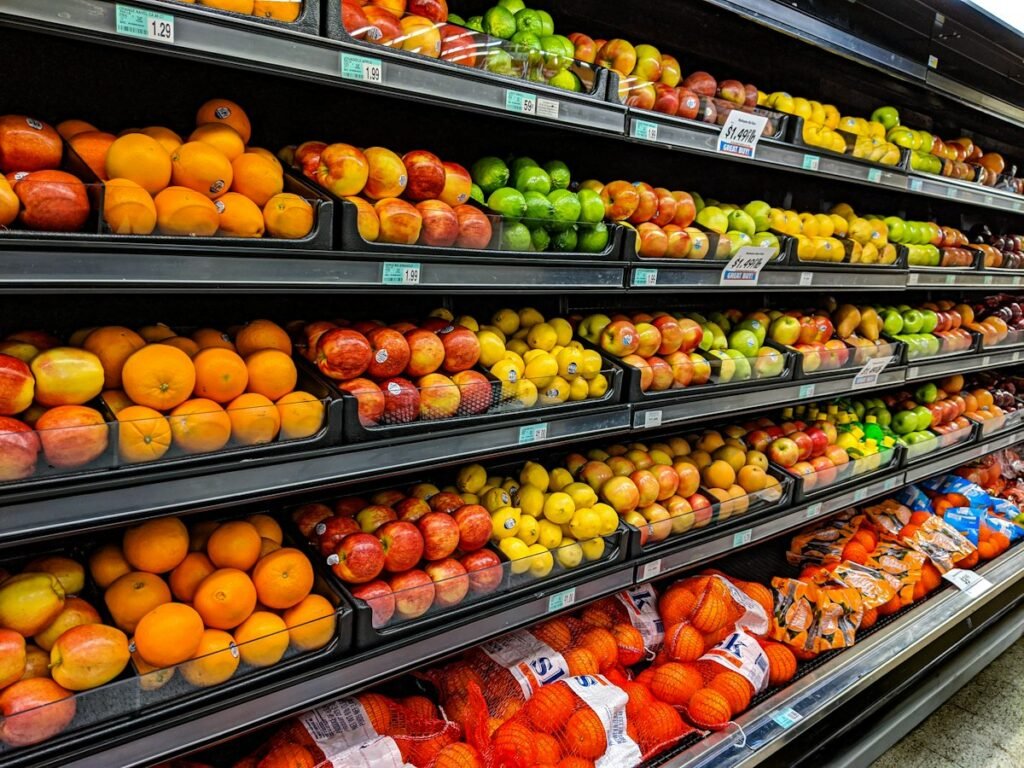
If a routine grocery trip feels surprisingly expensive, the answer may lie in dozens of small purchasing decisions. Here is how to regain control without giving up meals you love.
Start with the receipts, not assumptions
Before changing what you buy, review two or three recent receipts. Mark purchases as essentials, flexible items, or impulse additions. Compare how much you spent on actual ingredients with beverages, snacks, and convenience products. This exercise is not about judging what you eat. It reveals which habits have the largest effect on your total.
Plan meals around ingredients that overlap
A bag of rice, a tray of vegetables, and a protein can appear in several different dinners. Choose a few meals that share ingredients so the entire package gets used. Keep one flexible meal on the calendar for leftovers. A rigid seven-day menu may collapse after a busy workday; a small collection of adaptable meals usually survives better.
Infos Journal Team — Which grocery item do you find hardest to budget for lately?
Infos Journal Team — Do you plan meals before shopping or decide what to cook once you’re at the store?
Infos Journal Team — Have you found a useful way to cut down on food waste? Share a practical idea with other readers.